Die Nachrichten Genshin Impact > miHoYo’s New Game Honkai: Star Rail Takes on Competitors Tencent and NetEase – Financial Times
miHoYo’s New Game Honkai: Star Rail Takes on Competitors Tencent and NetEase – Financial Times
miHoYo’s New Game Honkai: Star Rail Takes on Competitors Tencent and NetEase
On the eve of the release of miHoYo’s latest online game, Honkai: Star Rail, last month, employees of the Chinese gaming company worked late into the night. “Everyone was rushing to get the product to market. The company has invested heavily in Honkai. It is clear that the intention is to make it at least as big as Genshin Impact and make it the company’s flagship title,” said an employee who was involved in the release of Honkai.
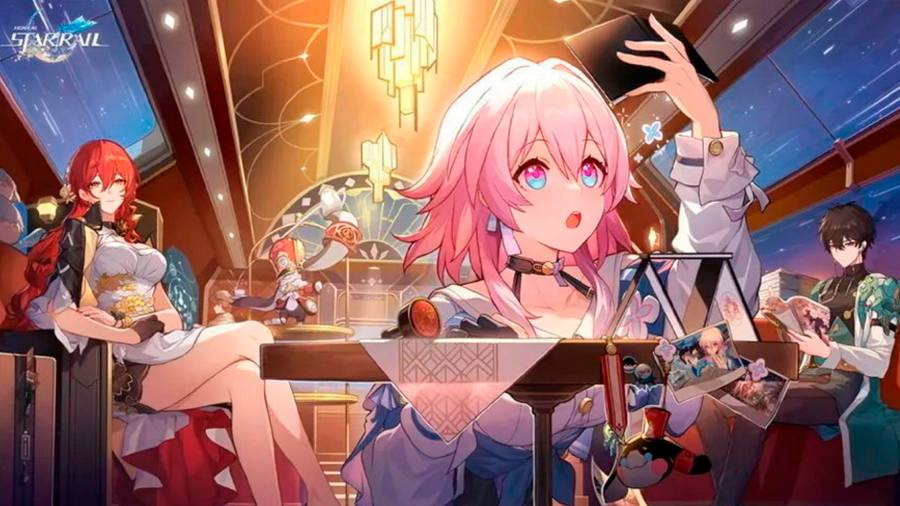
Honkai: Star Rail, a space anime game, is miHoYo’s second new title since the groundbreaking success of Genshin Impact. Its success will determine whether the Shanghai-based studio can establish itself as one of China’s top game developers in the face of competition from industry giants Tencent and NetEase.
Since its launch in September 2020, Genshin Impact, an anime role-playing game set in an open-world environment, has generated $4.8 billion in revenue on mobile devices, making it one of the top three highest-grossing mobile titles, according to data analysis group Sensor Tower.
“I like the game’s open-world mode, which allows players to move freely through the virtual environment. . . And it doesn’t require players to spend a lot of money to have a good gaming experience,” said Ma Ka, a player in Changsha who is an avid gamer.
Chinas Online gaming market is dominated by Tencent and NetEase, which have a market share of 50 percent and 20 percent, respectively, according to a study by Goldman Sachs. This is in contrast to most other major gaming markets, where large publishers typically control less than 10 percent of the market.
“It is still too early to say that miHoYo will surpass NetEase or Tencent. But their investment strategy as well as research and development have been very successful,” said Chenyu Cui, a senior gaming analyst at consulting firm Omdia.
International Appeal of Chinese Game Developers
Genshin Impact’s popularity has also highlighted the increased competitiveness of Chinese game studios that have developed games with international appeal to counter slower growth, strict censorship restrictions, and tough enforcement by regulators in their own country.
The industry suffered a severe setback two years ago when Beijing severely restricted the amount of time minors could spend playing online games after state media branded them a form of “spiritual opium.” Tencent reported that the playtime of minors in the first quarter of this year had fallen 96 percent compared to the same period three years ago. The regulatory restrictions resulted in several smaller game studios shutting down after authorities stopped issuing new game licenses for nine months. Even the big established operators saw a decline in their gaming revenue.
Beijing reopened the floodgates for game licenses at the end of last year, boosting the stock prices of gaming companies. A week ago, regulators issued licenses for 86 games, including a battle anime title from NetEase and a first-person shooter game from Tencent.
Chinese game developers and publishers have increased their overseas market share from 14 percent in 2019 to 22 percent in 2022, according to Sensor Tower. Part of Genshin Impact’s strategy to expand its international market share was to release updates with new maps, characters, and tasks every five to six weeks to encourage users to come back and spend money. In contrast, most other major titles usually release large expansion packs every three months.
According to Daniel Ahmad, a senior analyst at gaming consulting firm Niko Partners, the compromise has resulted in studios producing watered-down versions of games to overcome censorship restrictions and obtain a highly valued game license. As an example, he cited changes made for the patriotic fighting game Peace Elite, where the blood changed from red to green and the size of the blood splatters was reduced compared to the international version of the game that inspired it, Tencent’s PUBG Mobile.
However, most changes to appease censorship remain largely unnoticed, except by hardcore gamers. Ma Ka said the impact of stricter enforcement of censorship rules is clear in Honkai: Star Rail. He said Genshin Impact tried to appeal to male players with “female avatars with large breasts and shapely legs in black stockings.” In contrast, Honkai’s characters have “no exaggerated physical features and do not wear revealing outfits.”
“I don’t need erotic or violent content in games,” he said. “I just enjoy the fun of playing.”
Source: Financial Times.
Lectures :18
Diese Artikel könnten Sie auch interessieren :
Genshin Impact kommt in den Flagship-Store von LINE…
Honkai: Star Rail kommt zu Fortnite: eine…
Honkai Star Rail: Ungleiche Quests laut Hoyoverse?